


Grains of Paradise vs Alligator Pepper vs Melegueta Pepper is a label-reading question, not just a spice-name debate. Shoppers may see Grains of Paradise, Aframomum melegueta, Melegueta Pepper, Guinea Pepper, Alligator Pepper, Atare, or Paradise Seed across tincture labels, spice listings, and supplement pages. Some of these names overlap, but they are not always used carefully by sellers.
The safest way to compare products is to check the botanical name, plant part, and format. Grains of Paradise usually points to the seeds of Aframomum melegueta, a West African spice plant in the ginger family. Alligator pepper is often used in related regional naming, but it can be used loosely and may refer to closely related Aframomum species in some contexts. HerbEra’s tincture-style marketplace context makes this an important buyer question: the name on the front label should be checked against the botanical name and plant part before you assume two bottles contain the same ingredient.
This guide explains the main label terms, how to compare regional names, why “seed” matters, how a tincture differs from kitchen spice, and what to ask when a product page uses several names at once.
Are Grains of Paradise, Alligator Pepper, and Melegueta Pepper the Same Thing?
They can overlap, but they are not always used as exact label synonyms. Grains of Paradise and Melegueta Pepper commonly refer to Aframomum melegueta seeds. Alligator Pepper can be used in some markets for related peppery seeds, but the name may also be applied more broadly or to related Aframomum species depending on region and seller.
That is why the botanical name matters. If a label says Aframomum melegueta seed, it is more specific than a label that says only Alligator Pepper or Guinea Pepper.
The practical answer
If you want to know whether two products match, do not compare only the common names. Compare the botanical name, plant part, product form, extraction base, serving directions, and warning statements.
A product that clearly says Grains of Paradise seed, Aframomum melegueta, and dried seed is easier to evaluate than a product that says only pepper tincture or alligator pepper drops.
What Is Grains of Paradise?
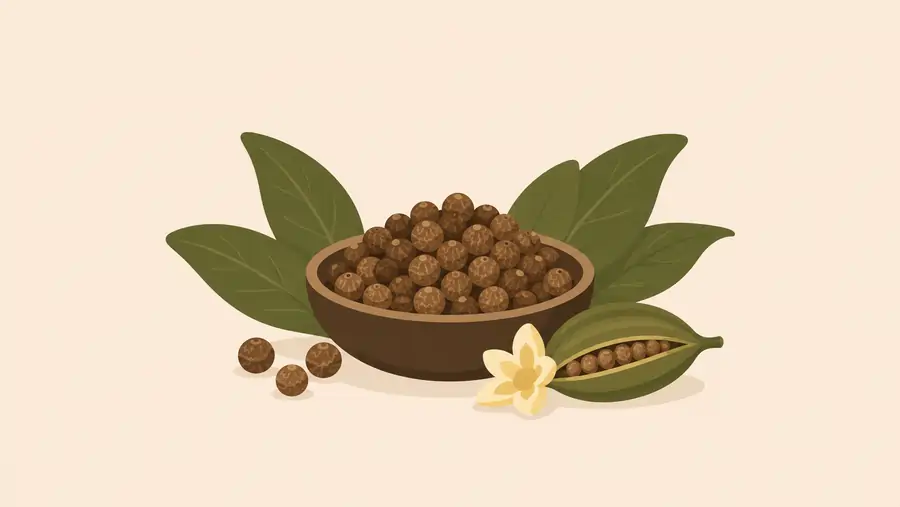
Grains of Paradise is a common English name for the aromatic, peppery seeds of Aframomum melegueta. The seeds are used as a spice and may also appear in supplement products, tinctures, extracts, powders, and capsules.
The flavor is often described as peppery, warm, pungent, aromatic, and slightly citrus-like. It is not the same plant as black pepper, even though it can be used as a pepper-like spice.
What to check on a label
Look for Grains of Paradise, Aframomum melegueta, seed, dried seed, extract, tincture, capsule, powder, or spice. These terms tell you whether you are looking at the plant identity, plant part, or product format.
If the label says only Grains of Paradise but does not show the botanical name or plant part, ask the seller for clarification.
What Is Melegueta Pepper?
Melegueta Pepper is another common name linked to Aframomum melegueta seeds. It may also appear as Melegueta pepper, Melegueta seeds, Guinea pepper, or grains of paradise in marketplace listings.
The word “pepper” can confuse shoppers because Aframomum melegueta is not the same botanical plant as black pepper, which is Piper nigrum. In this context, pepper describes the spicy, peppery character of the seed, not the black pepper plant.
Melegueta Pepper vs black pepper
Melegueta Pepper and black pepper are different ingredients. If you are comparing tinctures, capsules, or spice jars, check whether the botanical name is Aframomum melegueta or Piper nigrum.
Do not assume all pepper-labeled ingredients are interchangeable.
What Is Alligator Pepper?
Alligator Pepper is a regional common name often used for peppery seeds in the Aframomum group. In some listings, it may be presented alongside Grains of Paradise or Melegueta Pepper. In other contexts, it may refer to related but not identical species.
This makes Alligator Pepper a term that needs extra label checking. It may help shoppers find the product, but it does not replace a botanical name.
Why the term can be tricky
Regional names often shift across countries, languages, and trade channels. A seller may use Alligator Pepper because customers search for it, while the botanical ingredient may be Aframomum melegueta or another Aframomum species.
If species identity matters to you, ask for the exact botanical name and plant part.
Common Label Terms Compared
Use this table to decode the names most often seen on tincture, extract, capsule, and spice labels.
| Label term | Plain meaning | What to verify |
|---|---|---|
| Grains of Paradise | Common name often used for Aframomum melegueta seeds | Botanical name and seed wording |
| Aframomum melegueta | Botanical name for the plant commonly linked to Grains of Paradise | Plant part and product format |
| Melegueta Pepper | Common name for the peppery seed ingredient | Whether it means Aframomum melegueta seed |
| Guinea Pepper | Regional or trade name used for similar peppery seeds | Species and plant part |
| Alligator Pepper | Regional name that may be used broadly | Exact botanical name |
| Atare | Yoruba name often linked to alligator pepper or related seeds | Species, seed part, and format |
| Dried seed | Seed material dried before use | Whether it is spice, powder, tincture, or extract |
The clearest label will combine common name, botanical name, plant part, and format. The weakest label uses only a regional name with no botanical detail.
Why Botanical Name Matters More Than Common Name
Botanical names reduce confusion. Common names can change across languages and regions. Botanical names are more precise because they identify the genus and species.
In Aframomum melegueta, Aframomum is the genus and melegueta is the species. That two-word name is more useful than a product title that lists several common names without explaining the plant identity.
How to use botanical names when shopping
When comparing two products, first check whether both labels say Aframomum melegueta. Then check whether both use seed, dried seed, extract, powder, or another form.
If one label says Aframomum melegueta seed and another says only Alligator Pepper, you do not have enough information to treat them as the same product.
Why Plant Part Matters: Seed vs Fruit vs Pod
For Grains of Paradise and Melegueta Pepper products, the important plant part is usually the seed. A tincture or spice product may use dried seed, seed powder, whole seed, or seed extract.
Do not assume the product uses the same plant part unless the label says so. Seed, pod, fruit, and extract are different label details.
Dried seed wording
Dried seed means the seed material was dried before use. In a tincture, that dried seed may be extracted into a liquid base. In a spice jar, the dried seed may be whole or ground.
Same plant, different format.
Tincture vs Kitchen Spice: What Are You Actually Buying?
A tincture is a liquid extract. Kitchen spice is usually dried seed, whole seed, or ground seed used for flavor. They may come from the same plant, but they are not the same product format.
A Grains of Paradise tincture may list alcohol, glycerin, water, liquid extract, drops, dropper, or serving size. A spice listing may list whole grains, ground spice, seasoning, culinary use, net weight, and storage instructions.
Format changes the label
A tincture label should explain serving directions and liquid base. A spice label should explain culinary ingredient identity and weight. A supplement capsule should show Supplement Facts.
Do not use kitchen spice directions as tincture directions, and do not use tincture serving directions as spice directions.
How Tincture Labels Usually Describe This Ingredient
A tincture label may use several terms to attract different searchers. You might see Grains of Paradise tincture, Melegueta Pepper liquid extract, Aframomum melegueta seed extract, Alligator Pepper drops, or alcohol-free Grains of Paradise extract.
Some of these names may point to the same intended ingredient, but the label should still identify the botanical name and plant part.
| Tincture label detail | Why it matters | Good sign |
|---|---|---|
| Botanical name | Confirms species identity | Aframomum melegueta listed clearly |
| Plant part | Shows what material was used | Seed or dried seed listed |
| Liquid base | Shows alcohol, glycerin, or water format | Carrier ingredients stated |
| Serving directions | Prevents guessing | Drops, droppers, or milliliters stated |
| Warnings | Shows who should ask before use | Medication, pregnancy, nursing, and condition cautions |
| Lot and expiration | Supports product identification | Readable lot number and date |
HerbEra’s label-first editorial stance fits this category well: when a product has several regional names, the botanical name and seed wording should do the serious identification work.
How to Tell If Two Product Pages Mean the Same Ingredient
Start with the botanical name. If both products say Aframomum melegueta and both say seed or dried seed, they are likely referring to the same core botanical ingredient. Then compare format, base, serving, and warnings.
If one product says Grains of Paradise and another says Alligator Pepper without a botanical name, do not assume a match. Ask the seller which species and plant part are used.
Best comparison order
Compare botanical name first. Compare plant part second. Compare format third. Compare liquid base fourth. Compare serving directions and warnings last.
This order prevents you from treating a kitchen spice, supplement capsule, and liquid tincture as the same product.
What If the Label Uses Several Names at Once?
A product may list several names because customers search differently. A page may say Grains of Paradise, Alligator Pepper, Melegueta Pepper, Guinea Pepper, and Aframomum melegueta in the same listing.
This can be helpful when it is accurate, but it can also hide unclear sourcing. The most reliable terms are the botanical name and plant part.
When multiple names are useful
Multiple names are useful when they help you recognize the ingredient across traditions and marketplaces. They are less useful if the page never confirms species, seed part, or format.
If the listing is a long synonym list with no Supplement Facts or plant part, pause before buying.
What Should You Check on a Supplement Facts Panel?
For a supplement, the Supplement Facts panel should show serving size, ingredient name, amount per serving, and sometimes plant part or preparation type. Other parts of the label may show the liquid base, warnings, storage, lot number, and expiration date.
For Grains of Paradise tincture, look for Aframomum melegueta seed, dried seed, liquid extract, alcohol, water, glycerin, serving size, and suggested use.
Do not rely on the front label
The front label may use the most recognizable name. The Supplement Facts and ingredients should give the more technical details.
If they do not, ask the seller before using the product.
What About Alcohol-Free Extracts and Glycerites?
Some tinctures are alcohol-based. Others are alcohol-free liquid extracts, often made with glycerin and water. If a Grains of Paradise product says alcohol-free, check what carrier replaces alcohol.
A glycerite is an alcohol-free liquid extract that uses glycerin as a major carrier. It may taste smoother or mildly sweet compared with alcohol-based drops.
Label terms to scan
Look for alcohol, ethanol, cane alcohol, vegetable glycerin, glycerin, purified water, alcohol-free, glycerite, and liquid extract.
Alcohol-free does not automatically mean sugar-free, oil-free, or spice-free. The ingredients still matter.
What Taste Should You Expect?
Grains of Paradise and Melegueta Pepper are known for a peppery, warm, aromatic taste. A tincture may taste spicy, sharp, earthy, or slightly bitter depending on the base and concentration.
An alcohol-based tincture may taste sharper. A glycerin-based extract may taste smoother or slightly sweet. A kitchen spice may taste warmer and more aromatic when ground or cooked into food.
Taste is not a quality test
A peppery taste can fit the ingredient, but taste does not prove purity, strength, safety, or identity.
Use the label and seller documentation to confirm what the product is.
What Claims Should You Treat Carefully?
Be cautious with broad wellness, metabolism, weight, detox, cleanse, hormone, energy, or performance claims. A label should not push you to ignore ingredient identity or safety context.
Grains of Paradise tincture, Alligator Pepper extract, Melegueta Pepper capsules, or spice products should not be used to treat, cure, prevent, diagnose, reverse, detox, cleanse, flush, or manage any health condition.
When to ask before use
Ask a qualified healthcare professional before use if you are pregnant, nursing, taking medication, managing a medical condition, preparing for surgery, buying for a child, or using multiple supplements.
Also ask first if spicy foods or pepper-like ingredients often cause discomfort for you.
Red Flags on a Grains of Paradise Tincture Label
Red flags include no botanical name, no plant part, no Supplement Facts image, no serving size, unclear liquid base, vague “pepper extract” wording, no warnings, broad medical claims, no lot number, no expiration date, or conflicting names across the product page.
Also be careful if the listing calls the ingredient Alligator Pepper but never identifies the species. Regional names can be useful, but they need support from botanical labeling.
Damaged product checks
For tinctures, do not use a bottle with a broken seal, cracked dropper, leaking cap, moldy smell, strange cloudiness, expired date, or unreadable label.
Contact the seller with photos and lot details instead of testing a questionable bottle.
Questions to Ask Before Buying
If a label is unclear, ask the seller direct questions. A useful answer should identify the botanical name, plant part, format, liquid base, and serving directions.
Avoid vague answers that repeat only the common name. You need details that help you compare one product page with another.
Useful buyer questions
Ask: “Is this ingredient Aframomum melegueta?” Ask: “Is the plant part dried seed?” Ask: “Is Alligator Pepper being used as a synonym for Grains of Paradise in this product?” Ask: “Is this a tincture, glycerite, capsule, powder, or kitchen spice?”
If the seller cannot answer these questions, the product may not be clear enough for a careful buyer.
Checklist: How to Read Grains of Paradise, Alligator Pepper, and Melegueta Pepper Labels
Use this checklist when comparing tinctures, spice jars, capsules, extracts, and marketplace listings. It helps you confirm whether different names point to the same ingredient or only sound similar.
Find the botanical name
Look for Aframomum melegueta. This is more precise than Grains of Paradise, Alligator Pepper, Guinea Pepper, or Melegueta Pepper alone.
Confirm the plant part
Look for seed, dried seed, whole seed, ground seed, or extract. Do not assume every pepper-like product uses the same part.
Separate common names from regional names
Common and regional names help with recognition, but they can overlap. Use them as clues, not final proof.
Identify the format
Check whether the product is a tincture, glycerite, liquid extract, capsule, powder, whole spice, or ground spice.
Check the liquid base
For tinctures, look for alcohol, glycerin, water, or alcohol-free wording. The base affects taste and user preference.
Compare serving directions
A tincture serving is not the same as a spice serving. Follow the product-specific label.
Review safety warnings
Check pregnancy, nursing, medication, condition, allergy, and surgery cautions before using a supplement product.
Ask when unclear
Contact the seller if the listing mixes names without confirming species, seed part, and format.
FAQ
Are Grains of Paradise and Melegueta Pepper the same?
They commonly refer to Aframomum melegueta seeds, but you should still confirm the botanical name and plant part on the label.
Is Alligator Pepper the same as Grains of Paradise?
Sometimes sellers use the names together, but Alligator Pepper can be used more broadly. Check the botanical name before assuming they match.
What is Aframomum melegueta?
Aframomum melegueta is the botanical name commonly linked to Grains of Paradise and Melegueta Pepper seeds.
Is Melegueta Pepper the same as black pepper?
No. Melegueta Pepper is linked to Aframomum melegueta. Black pepper comes from Piper nigrum.
What plant part is used in Grains of Paradise products?
The seed is usually the relevant plant part. Check for seed, dried seed, whole seed, ground seed, or seed extract wording.
Is Grains of Paradise tincture the same as kitchen spice?
No. A tincture is a liquid extract. Kitchen spice is usually whole or ground dried seed.
Glossary
Grains of Paradise
A common name usually used for the peppery seeds of Aframomum melegueta.
Alligator Pepper
A regional common name that may refer to related peppery Aframomum seeds and needs botanical confirmation.
Melegueta Pepper
A common name often linked to Aframomum melegueta seeds.
Conclusion
Grains of Paradise vs Alligator Pepper vs Melegueta Pepper comes down to botanical name, seed wording, and product format. Look for Aframomum melegueta, confirm the plant part, and separate tincture labels from kitchen spice names before buying.
Sources Used
Botanical identity and plant reference for Aframomum melegueta, Aframomum melegueta plant profile – Plants of the World Online
Spice identity and common-name context for Grains of Paradise, Grains of Paradise – Encyclopaedia Britannica
Common-name and culinary context for Grains of Paradise and Melegueta Pepper, Grains of Paradise Ingredient Overview – The Spice House